Explore Top-Rated Apps for Effective Health and Fitness Tracking
The Importance of Health and Fitness Apps
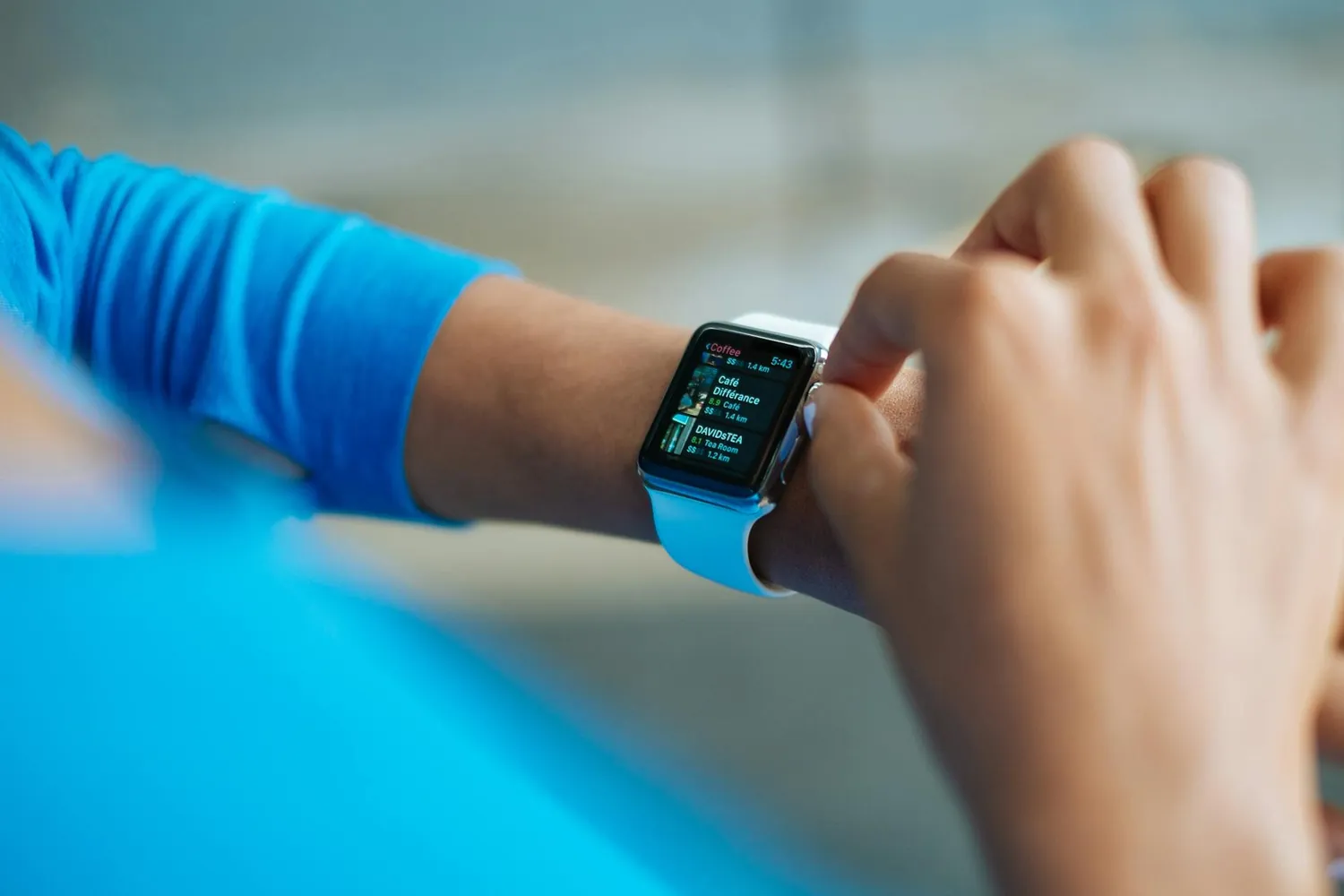
In the digital age, health and fitness apps have become indispensable tools for individuals looking to enhance their well-being. They offer a convenient way to track workouts, monitor diet, set achievable goals, and even access personalized coaching. According to recent studies, approximately 60% of smartphone users have downloaded at least one health-related app, underscoring their growing significance.
Leveraging the S.M.A.R.T Framework in Fitness Apps
The S.M.A.R.T framework—standing for Specific, Measurable, Achievable, Relevant, and Time-bound—is a powerful tool for setting and achieving fitness goals. By integrating this framework with health and fitness apps, users can develop a structured approach to their personal health objectives.
Set Goals
Setting specific goals is the first step in any fitness journey. Apps like MyFitnessPal allow users to define specific targets, such as weight loss, muscle gain, or running a certain distance. The key is to ensure these goals are clearly defined and attainable.
- Example: Instead of setting a vague goal like "get fit," aim for "lose 5 pounds in two months by jogging thrice weekly."
- Use app features to log progress visually and numerically, offering both motivation and a sense of accomplishment.
Monitor Progress
Monitoring progress is crucial for maintaining motivation. Apps like Fitbit synchronize with wearable devices to provide real-time data on your physical activities, such as step count, calories burned, and heart rate.
- Consistent tracking helps identify patterns and areas needing improvement.
- Utilize app analytics to review weekly or monthly progress for informed adjustments.
Adjust Plans
No plan is perfect from the start. The ability to adjust your plan based on your progress is vital. Apps like Nike Training Club provide flexibility by allowing users to modify workout routines as needed. This adaptability ensures continuous improvement without burnout.
- Use app feedback to tweak exercise intensity or duration as needed.
- Incorporate rest days or change activities if progress stalls.
Review Outcomes
Regularly reviewing outcomes helps validate the effectiveness of your fitness routine. Many apps offer detailed reports and summaries. For example, Strava provides insights into endurance improvements over time.
- Compare initial goals with actual outcomes to assess success rates.
- Learn from setbacks by identifying causes and adapting strategies accordingly.
Tailor Approaches
The final step is tailoring approaches based on what you have learned. Tailoring involves making necessary changes to your diet or workout regime for better alignment with your goals. Platforms like Freeletics offer customized workout plans that evolve as you progress.
- Leverage AI-driven recommendations within apps for personalized advice.
- Seek community insights within app forums for diverse perspectives and support.
Top Health and Fitness Apps to Consider
The market offers a plethora of apps catering to different fitness needs. Below are some top-rated options:
MyFitnessPal
A comprehensive app known for its extensive food database and calorie counting feature. It's ideal for those focused on nutrition management alongside physical activity.
- Main Features: Barcode scanner for nutritional info, meal logging, integration with other fitness apps.
- S.M.A.R.T Application: Perfect for setting dietary goals and monitoring calorie intake effortlessly.
Fitbit App
This app works in tandem with Fitbit devices to track physical activity, sleep patterns, and heart rate. It provides a holistic view of your health metrics.
- Main Features: Real-time data tracking, sleep analysis, goal-setting options.
- S.M.A.R.T Application: Excellent for tracking measurable progress in daily activity and sleep quality.
Nike Training Club
A versatile app offering a wide range of workouts tailored to different fitness levels and goals. Ideal for those who want varied routines without a gym membership.
- Main Features: Guided workouts, personalized training plans, adjustable difficulty levels.
- S.M.A.R.T Application: Facilitates specific goal setting with adaptable workout plans to suit individual progress rates.
Strava
A popular choice among runners and cyclists. Strava uses GPS tracking to record routes and provides performance analytics that enhance motivation.
- Main Features: Route mapping, community challenges, performance tracking.
- S.M.A.R.T Application: Encourages setting time-bound objectives while offering measurable outcome reviews through analytics.
Freeletics
This app focuses on high-intensity interval training (HIIT) with customizable plans based on user feedback and goals.
- Main Features: Personalized HIIT workouts, community support, AI-driven recommendations.
- S.M.A.R.T Application: Adapts routines based on individual feedback, ensuring relevance and continuous progression towards fitness goals.
The Trade-Offs: Free vs. Paid Versions
A common dilemma when choosing fitness apps is deciding between free and paid versions. Free versions offer basic functionalities suitable for casual users, while premium versions unlock advanced features like personalized coaching or exclusive content.
- A free app might suffice if you're self-motivated and need only basic tracking tools.
- Consider paid versions if you seek enhanced features such as AI-driven insights or virtual coaching that can significantly bolster your fitness journey.
Practical Tips for Maximizing App Use
To get the most out of these apps, consider the following tips:
- Integrate multiple apps: Use them concurrently to cover different aspects of your fitness journey, like diet and exercise.
- Regularly update goals: As you progress, refine your goals using insights gained from app data.
- Engage with communities: Join app forums for motivation, advice, and support from peers worldwide.
Conclusion
Navigating the world of health and fitness apps can be overwhelming due to the vast choices available. However, by applying the S.M.A.R.T framework in conjunction with these digital tools, users can effectively tailor their fitness journeys to achieve optimal results. Whether you're just beginning your fitness adventure or are a seasoned enthusiast looking to optimize performance, the right application can serve as a powerful ally in reaching your health goals effectively.