Evaluating GPS Fitness Apps Versus Heart Rate Monitor Systems for Workouts
Understanding the Basics: GPS Fitness Apps and Heart Rate Monitors
The fitness world is inundated with technology that promises to enhance your workout efficiency and track your progress more accurately. Among these, GPS-based fitness apps and heart rate monitor systems stand out for their popularity and effectiveness. Both tools have unique strengths, but choosing between them can be daunting, especially when considering different workout settings such as outdoor or indoor environments.
GPS Fitness Apps
GPS fitness apps are designed to leverage the Global Positioning System to track the user's movement, distance covered, speed, and route. They are particularly beneficial for outdoor activities like running, cycling, and hiking. Popular apps in this category include Strava, Runkeeper, and MapMyRun.
- Pros: Provides real-time tracking, offers route planning, and shares workout data with ease.
- Cons: Accuracy can be affected by terrain and environmental conditions, may require cellular data or Wi-Fi for real-time updates.
Heart Rate Monitor Systems
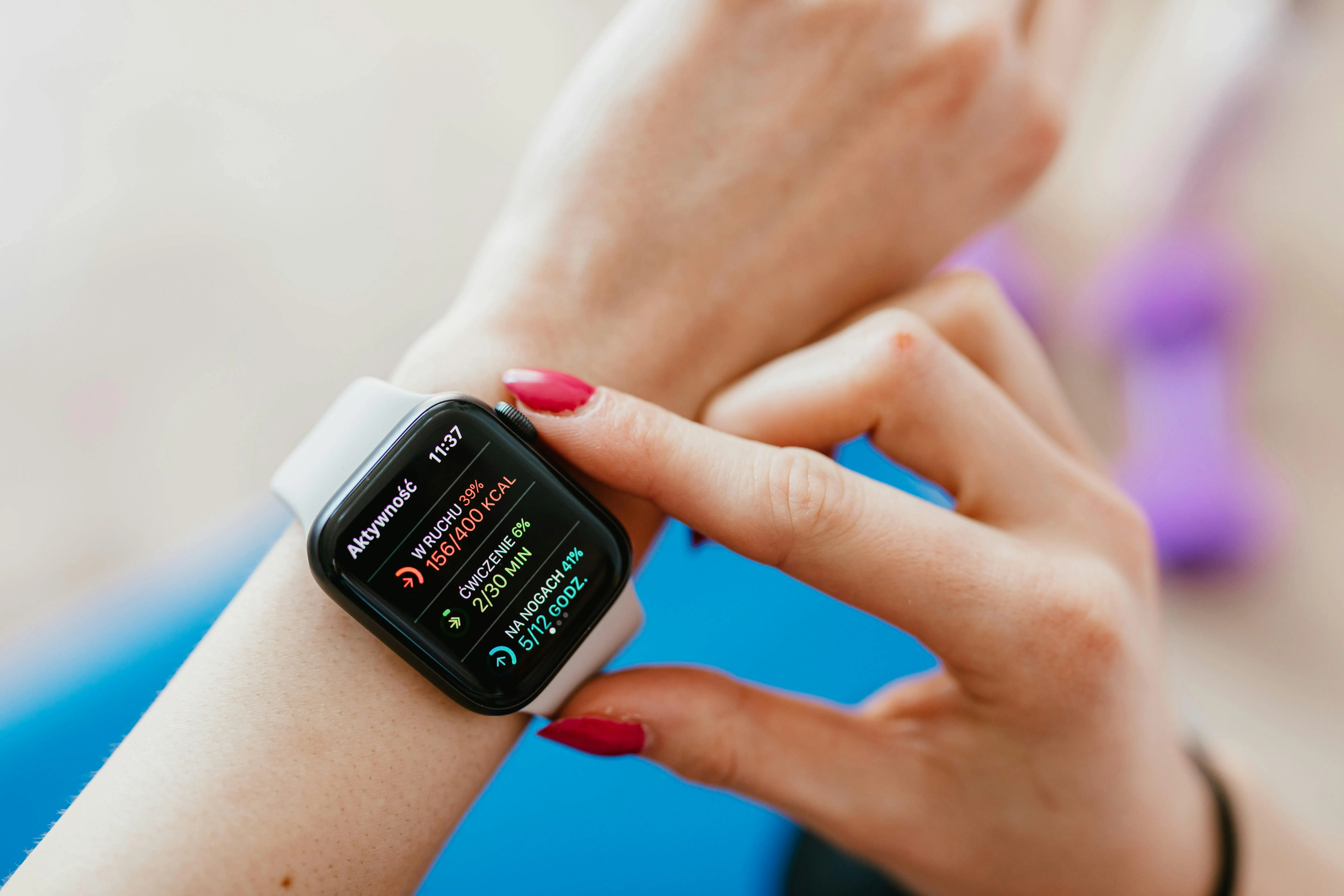
Heart rate monitors are devices that measure your heart rate in real-time. They are used to ensure you are working out within your optimal heart rate zone, maximizing efficiency and safety. Devices like the Polar H10 or Garmin's Heart Rate Monitor are commonly used in both professional and amateur training setups.
- Pros: Offers precise heart rate data, ensures effective heart rate zone training, beneficial for both indoor and outdoor workouts.
- Cons: Can be uncomfortable if worn improperly, some systems require manual data syncing.
The Pros and Cons of GPS Fitness Apps for Outdoor Workouts
When it comes to outdoor workouts, GPS apps shine due to their ability to map out routes, track location-based metrics, and provide visual feedback on performance.
Scenario: Training for a Marathon
Imagine you're preparing for a marathon. Using a GPS app like Strava, you can plan your long runs efficiently by mapping routes that match your desired distance. The app can provide audio cues for pacing, show elevation gains, and even highlight scenic routes shared by other runners.
However, while these features are appealing, they come with limitations. If you're in an area with poor satellite reception or heavy tree cover, the app might record inaccurate data. Additionally, battery consumption is a concern during longer sessions.
The Role of Heart Rate Monitors in Indoor Workouts
For indoor workouts like spinning classes or strength training sessions, heart rate monitors offer distinct advantages. They provide insight into how hard you're working irrespective of movement or location.
Scenario: HIIT Session at Home
In a high-intensity interval training (HIIT) session at home, maintaining an appropriate heart rate is crucial. A heart rate monitor allows you to ensure your intensity levels align with your fitness goals—whether it's burning fat or improving cardiovascular endurance.
- Tip: Use a chest strap monitor for the most accurate readings during high-motion activities.
This precision ensures that you're neither overtraining nor underperforming, reducing the risk of injury and maximizing workout effectiveness.
Integrating GPS Apps and Heart Rate Monitors: A Comprehensive Approach
The decision doesn't have to be binary; many fitness enthusiasts find value in combining both technologies to complement their workouts.
Workflow: Combining Tools for Comprehensive Data
- Select a GPS app with heart rate monitoring capabilities or one that syncs with your heart rate device. Examples include Garmin Connect and Apple Health.
- Begin your workout session using both devices. The GPS tracks your route and distance while the heart rate monitor ensures you remain within your target zone.
- Post-workout, analyze combined data to assess performance metrics like average pace against average heart rate, providing insights into areas for improvement.
This integrated approach offers a holistic view of your workouts, allowing adjustments in training plans based on comprehensive data analysis.
Practical Tips for Optimizing Your Fitness Technology Usage
- Always update apps and devices to the latest versions for improved accuracy and new features.
- Ensure your devices are properly calibrated; follow manufacturer's guidelines for setup.
- For GPS apps, pre-download maps where possible to avoid connectivity issues.
- If opting for a standalone heart rate monitor system, choose one with Bluetooth capability for easy integration with multiple apps.
Conclusion: Making the Right Choice for Your Needs
The choice between GPS fitness apps and heart rate monitor systems should be guided by personal fitness goals and workout preferences. For outdoor enthusiasts focused on distance and terrain, GPS apps provide invaluable insights. Meanwhile, those concentrating on precise physiological data during varied workouts will benefit from heart rate monitors.
Ultimately, understanding the strengths of each tool can significantly enhance your training regimen, making your fitness journey both efficient and enjoyable. With ongoing technological advancements, these tools continue to evolve, offering ever-more personalized fitness experiences.