A Comprehensive Comparison of Fitness Bands, Smartwatches, and Heart Rate Monitors
The Evolving Landscape of Wearable Fitness Technology
In recent years, wearable fitness technology has surged in popularity, providing users with a plethora of devices to track their health and fitness metrics. Among these, fitness bands, smartwatches, and heart rate monitors have emerged as the most common tools. Each offers unique functionalities tailored to various user needs, making it crucial to understand their specific advantages and limitations.
Understanding Fitness Bands
Fitness bands, often referred to as activity trackers, are dedicated devices designed primarily to monitor physical activity. They typically include features such as step counting, calorie estimation, sleep tracking, and sometimes basic heart rate monitoring. Their lightweight design makes them an excellent choice for users who prefer simplicity and ease of use.
Benefits of Fitness Bands
- Simplicity: Fitness bands offer straightforward operation with a focus on essential tracking features, making them ideal for those new to fitness technology.
- Battery Life: With fewer features than smartwatches, fitness bands often boast longer battery life, sometimes lasting a week or more on a single charge.
- Affordability: Generally more affordable than smartwatches, they provide a cost-effective solution for fitness tracking.
Limitations of Fitness Bands
- Limited Features: Compared to smartwatches, fitness bands might lack advanced functionalities like GPS tracking or app notifications.
- Basic Display: The screens on fitness bands are usually smaller and less detailed, which might not be ideal for all users.
An example of a popular fitness band is the Fitbit Charge series, known for its accurate activity tracking and robust community features. It allows users to join challenges with friends, adding a social element to fitness tracking.
The Versatility of Smartwatches
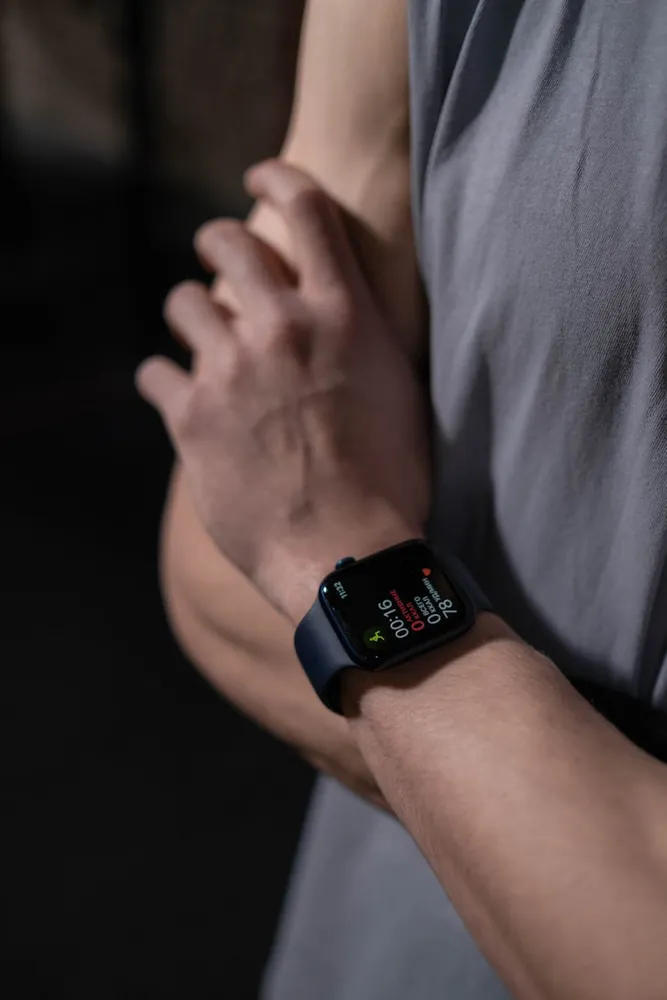
Smartwatches extend beyond the basic tracking capabilities of fitness bands by integrating smartwatch functionalities. They often include GPS, music controls, mobile payments, and third-party app support. This versatility makes them suitable for users looking to consolidate multiple digital functions into one device.
Benefits of Smartwatches
- Comprehensive Features: Smartwatches offer a wide range of functionalities that can replace several other gadgets. For example, Apple's Watch Series includes ECG monitoring and fall detection.
- Integration with Ecosystems: They seamlessly integrate with other digital devices and ecosystems, offering enhanced connectivity options.
Limitations of Smartwatches
- Battery Life: With added features comes reduced battery life; most smartwatches need charging every couple of days.
- Higher Cost: Due to their advanced technology, smartwatches are generally more expensive than fitness bands.
The Garmin Fenix series exemplifies a premium smartwatch option that combines robust fitness tracking with top-tier navigation capabilities—ideal for outdoor enthusiasts who require reliable performance across various terrains.
The Precision of Heart Rate Monitors
Heart rate monitors are specialized devices designed explicitly for accurate heart rate tracking. While some fitness bands and smartwatches include heart rate sensors, dedicated heart rate monitors often offer superior precision. They are particularly favored by athletes who need exact measurements for optimizing training intensity.
Benefits of Heart Rate Monitors
- Accuracy: Chest-strap heart rate monitors are known for their accuracy, making them the gold standard in heart rate measurement during intense workouts.
- Focus on Performance: Ideal for athletes who require detailed heart rate data to fine-tune their performance.
Limitations of Heart Rate Monitors
- Lack of Additional Features: Unlike fitness bands or smartwatches, these devices are often limited to heart rate monitoring without the added features like step counting or notifications.
A well-known example is the Polar H10 chest strap, praised for its high accuracy and ability to connect with various fitness apps and gym equipment via Bluetooth and ANT+.
Selecting the Right Device for Your Fitness Goals
When deciding between a fitness band, smartwatch, or heart rate monitor, consider the following factors:
- Fitness Goals: Determine what you wish to achieve with your wearable technology. If basic activity tracking is sufficient, a fitness band may suffice. For those needing more comprehensive metrics and multi-functional capabilities, a smartwatch could be the better option. Meanwhile, athletes focusing on cardiovascular performance might benefit most from a dedicated heart rate monitor.
- Lifestyle Considerations: Reflect on how the device will fit into your daily routine. A smartwatch offers broader functionality for everyday use beyond fitness tracking but may require more frequent charging.
- Budget: Evaluate how much you are willing to invest in your health technology. Fitness bands provide a budget-friendly entry point into wearable tech, while smartwatches represent a higher financial commitment due to their expanded feature sets.
Conclusion: Tailoring Technology to Your Needs
The choice between fitness bands, smartwatches, and heart rate monitors ultimately depends on individual preferences and needs. Understanding the distinct advantages and drawbacks of each category will empower you to make an informed decision tailored to your personal health objectives and lifestyle demands. Whether aiming for general wellness improvement or seeking precise athletic performance insights, there's a wearable device out there designed to meet your specific requirements.