Integrating Virtual Reality into Language Learning Apps for Enhanced Engagement
The Transformative Power of Virtual Reality in Language Learning
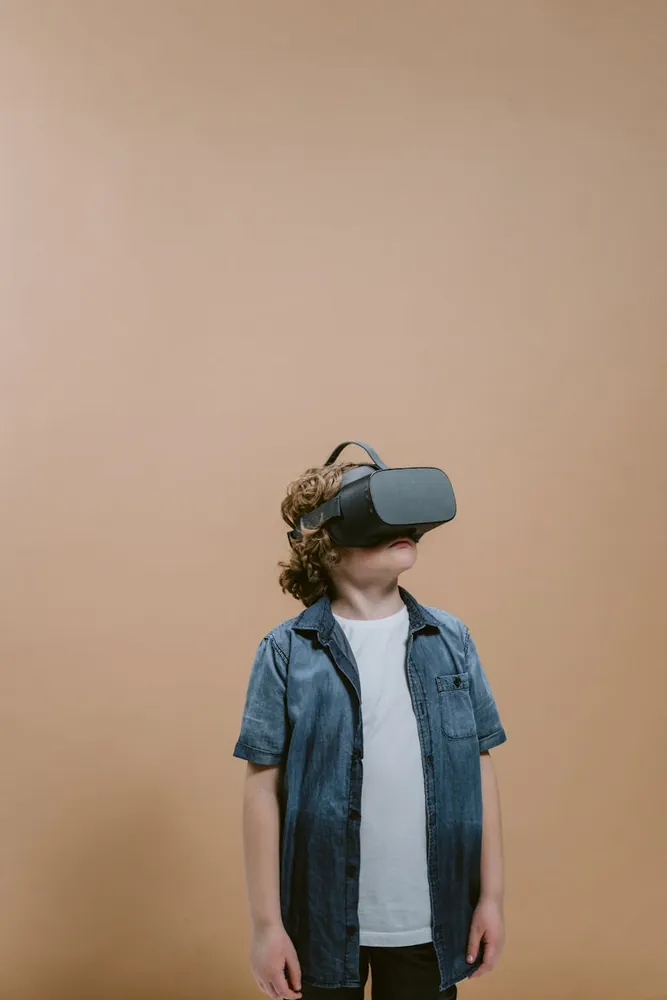
Virtual reality (VR) is increasingly becoming a buzzword in the education sector, and for a good reason. By offering immersive experiences that simulate real-life environments, VR can significantly enhance language acquisition. In language learning, immersion has been recognized as one of the most effective methods to boost fluency and retention. With VR technology, learners can virtually visit a foreign country, interact with native speakers, and practice their skills in contextually relevant scenarios.
What Is Virtual Reality?
Before diving into how VR enhances language learning, it's crucial to understand what VR entails. At its core, VR is a simulated experience that can be similar to or completely different from the real world. It typically involves the use of headsets and sensors to create immersive 3D environments. These environments can be programmed to respond to user inputs, providing an interactive experience.
Benefits of Integrating VR in Language Learning Apps
Implementing VR in language apps offers numerous advantages:
- Immersive Practice: Users can practice in scenarios that mimic real-life conversations, making learning more practical and engaging.
- Contextual Learning: VR allows for context-rich environments where users can learn vocabulary and grammar in context rather than through rote memorization.
- Increased Motivation: The gamified nature of VR keeps users engaged, transforming traditional learning into an enjoyable experience.
- Cultural Exposure: VR provides insights into cultural nuances and etiquette, which are critical for effective communication.
Challenges of Using VR in Language Apps
While the benefits are compelling, there are also challenges:
- Cost: Developing high-quality VR content can be expensive due to the need for specialized software and hardware.
- Accessibility: Not all users have access to VR headsets, which can limit the reach of VR-enhanced language apps.
- User Experience: Poorly designed VR experiences can lead to motion sickness or frustration among users.
Competing Approaches to VR Integration in Language Learning
There are several strategies for integrating VR into language learning apps, each with its own strengths and weaknesses:
Standalone VR Applications
This approach involves creating a dedicated VR application specifically for language learning. These applications usually provide a range of immersive scenarios where learners can practice speaking, listening, reading, and writing in a virtual environment.
Pros:
- Offers full immersion without distractions.
- Can incorporate a wide variety of realistic environments and situations.
Cons:
- Requires users to purchase additional hardware (e.g., Oculus Rift).
- Higher development costs associated with building robust VR content.
Best Used For: Advanced learners looking for full immersion and those willing to invest in additional hardware.
VR Add-Ons for Existing Language Apps
This strategy involves adding VR features to existing language learning platforms like Duolingo or Rosetta Stone. These features may include virtual tours, role-playing exercises, or interactive storytelling.
Pros:
- Leverages existing user bases and app ecosystems.
- Lower barrier to entry as it doesn’t require purchasing separate apps.
Cons:
- The integration might not offer the depth of standalone applications.
- Potential technical challenges in adding VR capabilities to existing frameworks.
Best Used For: Users who are already comfortable with certain apps but seek an enhanced experience through VR.
Web-Based VR Platforms
This method uses web-based technology like WebVR or WebXR to deliver VR experiences through browsers. Users can access these platforms without downloading heavy applications, although performance might vary based on internet connectivity and device capabilities.
Pros:
- Easily accessible on multiple devices with no need for installations.
- Lowers hardware requirements; compatible with mobile VR setups like Google Cardboard.
Cons:
- Limited by browser capabilities; not as immersive as standalone applications.
- Might suffer from latency issues depending on user’s internet speed.
Best Used For: Casual learners interested in trying out VR without major investments in software or hardware.
Practical Strategies for Incorporating VR into Language Studies
If you’re eager to incorporate VR into your language learning routine, here are some practical tips to get started:
- Select the Right Platform: Choose between standalone apps, add-ons, or web-based options depending on your level of commitment and available resources.
- Create a Routine: Regular practice is essential. Schedule time for both traditional learning methods and VR sessions to reinforce knowledge.
- Diversify Experiences: Use VR to explore various cultural contexts and scenarios, such as dining at a restaurant or attending a business meeting in a foreign language setting.
- Engage with Community Features: Some VR platforms offer social interactions where you can practice languages with other users worldwide. This mimics real-life conversation exchanges and improves fluency.
Troubleshooting Common Issues
As you delve into VR-enhanced language learning, you may encounter certain issues. Here are solutions to some common problems:
- If experiencing motion sickness, take breaks often and gradually increase your exposure time.
- If accessibility is an issue, consider using mobile-based VR solutions that require less sophisticated hardware.
The Future of VR in Language Learning
The future of language learning is undoubtedly heading toward more immersive technologies. As the cost of VR technology decreases and its accessibility increases, we can expect more widespread adoption. Innovations like augmented reality (AR) may further enhance these experiences by blending real-world elements with virtual ones, offering even richer educational environments.
The combination of cutting-edge technology with proven pedagogical strategies could revolutionize how languages are taught and learned globally. As educators and developers continue to explore the potential of VR, learners stand to gain substantially from these advancements, paving the way for more effective and engaging educational experiences.